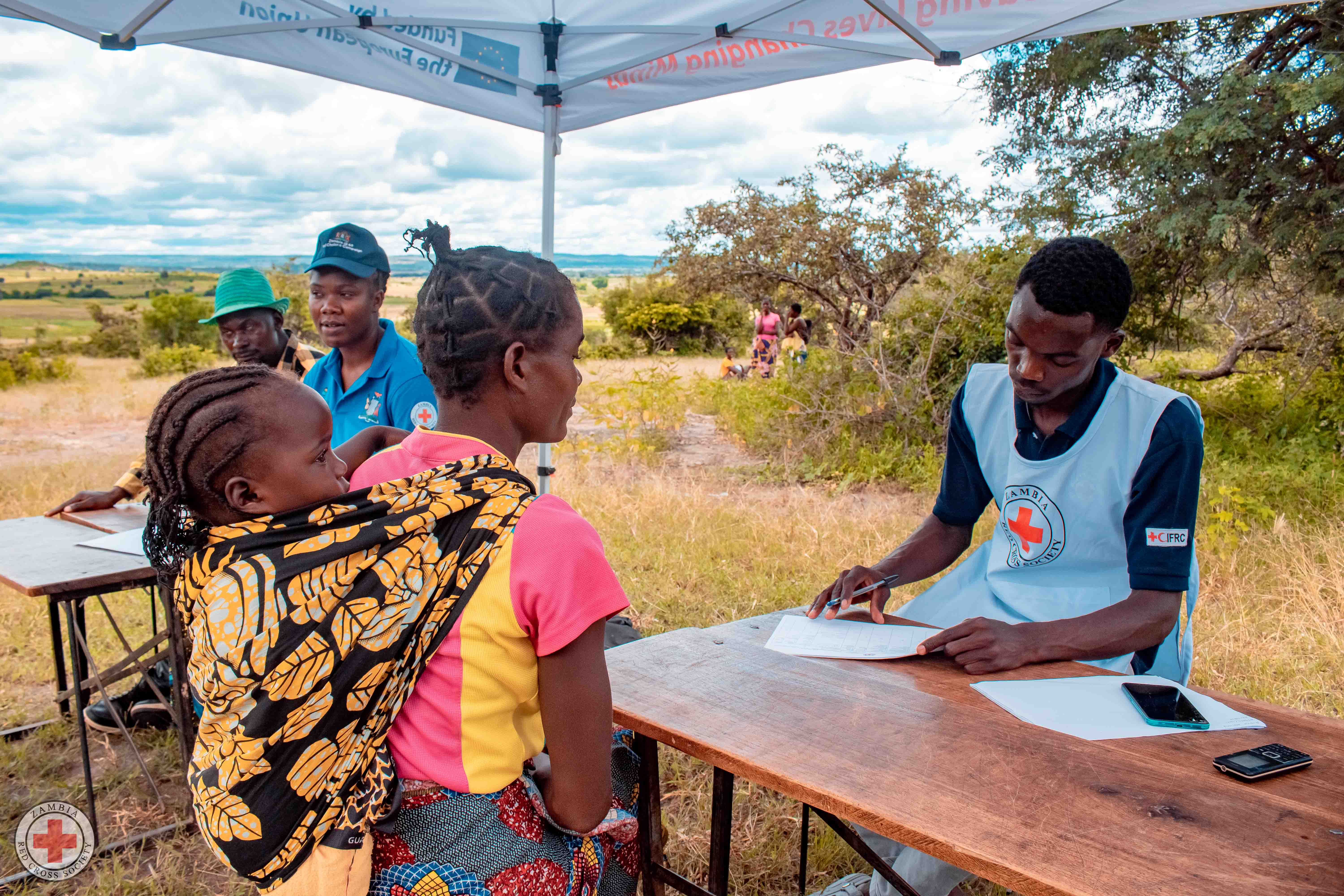
Coordinating resource mobilization: The department collaborates with government agencies, non-governmental organizations (NGOs), and international partners to secure financial and nonfinancial resources required for reconstruction efforts.
Monitoring and Evaluation: The department establishes mechanisms to monitor the progress and effectiveness of recovery activities. This includes tracking project implementation, assessing the impact on affected populations, and making necessary adjustments to ensure successful completion of the recovery phase. Close coordination with the PMER (Planning, Monitoring, Evaluation, and Reporting) department supports these efforts.
Core strengths of the ZRCS Disaster Management Department include:
- Emergency Response: The department boasts a highly trained National Disaster Response Teams (NDRTs) comprising of skilled members in disaster response. Their expertise allows for swift and efficient response during emergencies.
- Early Warning Systems: The department’s advanced tools and systems, such as the IBF system, enable early detection of potential flood disasters, enhancing preparedness and timely response.
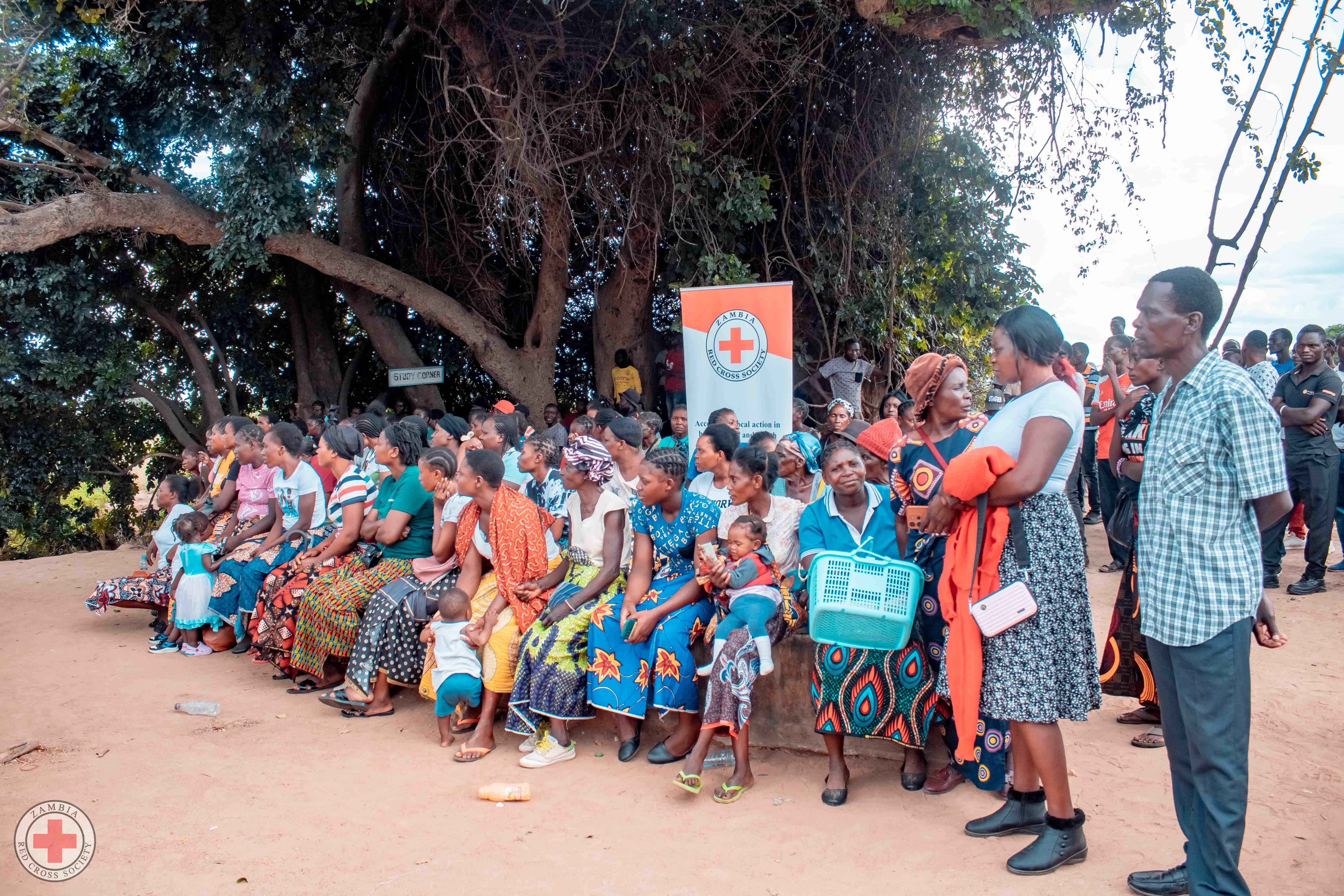
- Risk Communication and Public Awareness: The department excels in risk communication and public awareness initiatives. Effective strategies are in place to disseminate accurate and timely information about potential hazards, emergency procedures, and safety measures to the public.
- Proposal Development and Funding: The department’s skilled officers have successfully developed proposals that have secured funding for various initiatives.
Overall, ZRCS’ Disaster Management Department demonstrates a comprehensive approach to disaster management, focusing on preparedness, response, and recovery. Its core strengths ensure efficient emergency response, advanced early warning systems, effective risk communication, and successful proposal development and funding acquisition.